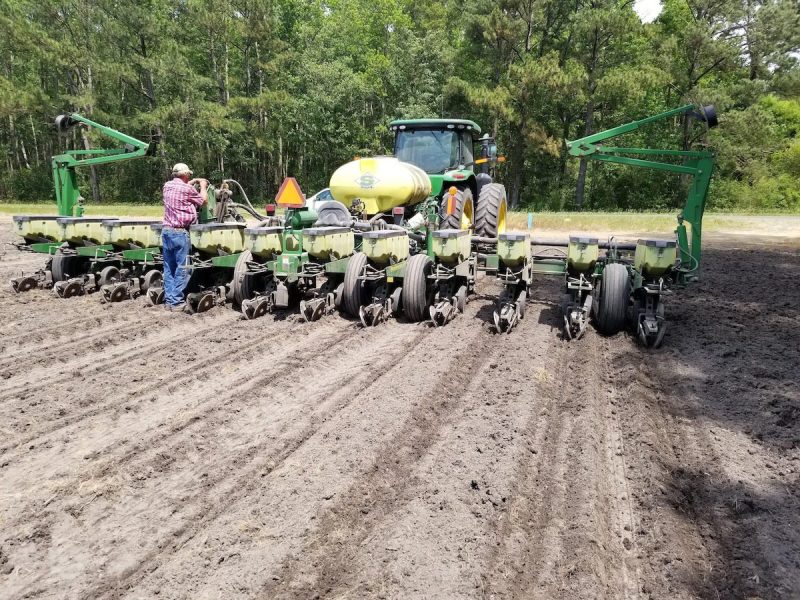
In North Carolina, farming has always been a challenging profession. From the weather to politics to changing consumer habits, many factors outside of a farmer’s control can determine whether it’s going to be a good financial year for those working the land.
If they weren’t worried about getting enough rain, farmers could be worried about getting too much of the wet stuff. An extended heat wave, a surprise cold spell, and weather events tied to climate change are other factors out of their control that can help determine whether it’s going to be a successful year.
Then there are external factors to worry about, from the cost of fertilizer and other rising production costs to rising labor expenses − a potentially growing problem as the Trump administration pushes its immigration crackdown.
Farmers over the past year also have learned that national and international politics and what happens in Beijing or Brussels can have a major impact on whether they make money from growing corn, soybeans or hogs − especially if access to overseas markets is curtailed.
Throw in a war in the Middle East that disrupts trade routes and oil production, which is a major input for everything from diesel to fertilizer, and 2026 is shaping up to be an extra stressful year for Tar Heel farmers.
“I think farmers are pretty down right now,” said Dr. Jeffrey Dorfman, an agricultural economist at N.C. State University. “It’s been a tough couple years, and I don’t think anyone is thinking it’s going to be better this year. I think they’re just hoping not to lose a lot of money.”
The weather is always a concern
Yes, banking is big in Charlotte, and the Research Triangle Park fuels the pharma, high-tech and other industries in the Raleigh-Durham area. But in the big picture, agriculture is the biggest industry in North Carolina, contributing $102 billion annually to the state’s economy and employing more than 700,000 people, according to the N.C. Department of Agriculture and Consumer Services. And in many Eastern N.C. counties, agriculture is the only industry.
But it also might be one of the most risk-vulnerbale industries in the state, starting with the weather.
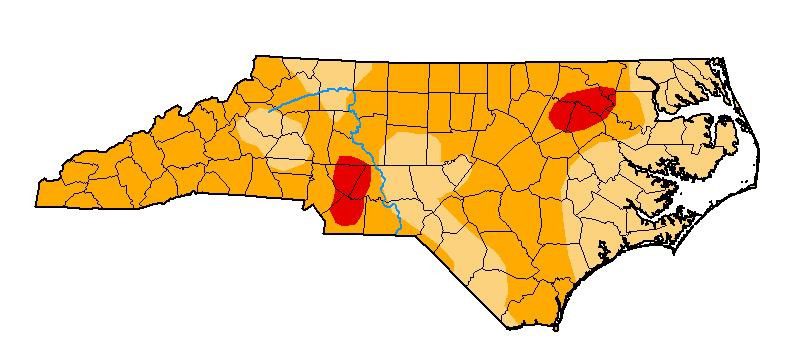
According to the National Weather Service’s Wilmington office, the Port City has received 6.4 inches of rain so far in 2026. That’s 33% below the normal 9.5 inches the city generally sees by March 17.
That comes on top of Wilmington ending 2025 with a 14-inch rainfall deficit, 24% below normal precipitation levels for the year.
The frigid February 2026 coupled with the up-and-down temperatures the Cape Fear region has been seeing in March has added to the meteorological challenge facing farmers.
Mark Seitz, Pender County director with the N.C. Cooperative Extension, said the several inches of rain much of the region saw Monday, March 16, did help return some moisture to the ground, but more rain is needed.
“We’ve been in drought mode in one way or another for the better part of two years, and we’re not just going to get out of it in a few months or after a couple big rain events,” he said.
Rising production costs
According to Dorfman’s research, the production costs for an acre of crops − think corn, soybeans, sweet potatoes, wheat and the like − have risen an estimated 65% since 2021. That comes while the net return for farmers per acre of crops is down $131 over the same time period.
And that was before the start of the Iran war.
The Strait of Hormuz is a critical channel for fertilizer. Iran’s closure of the strait has spiked fertilizer prices, close to doubling some types, just before planting season, potentially leaving some N.C. farmers asking if it’s worth planting a crop like corn that requires a lot of fertilizer, switching to a crop that generally requires less fertilizer, or just letting some fields go fallow this growing season.
Dorfman said a bottleneck in how oil moves around the world can impact a lot of inputs that farmers rely on, including diesel − which recently hit its second highest price ever − to fuel all of their farm equipment.
“It’s simply a tough environment out there for farmers,” he said.
Charles Hall, executive director of the N.C. Soybean Producers Association, said several lingering factors − especially falling prices for crops just as production costs increased − has created a tough economic environment for the state’s farmers.
“We were already in a cost-price squeeze, dating back about three years,” he said. “What’s going on now has just made that worse.”
Is it all bad news?
While there are plenty of headwinds farmers are facing these days, officials said it’s not all black clouds.
Dorfman said the financials for many farmers are going up, even if that’s more to do with the increasing value of their land in fast-growing North Carolina than what they’re earning from selling their crops.
Hall said the government also offers a variety of safety-net programs to help farmers weather tough years in the yo-yo profession, although the industry is notoriously finicky in accepting public handouts.
But there’s no sugarcoating that the agricultural industry is generally struggling nationally and in North Carolina.
“I think the mood right now is any income a farmer can bring in in addition to selling the crop is going to be the key to survival this year,” Hall said.
Seitz said that because the nation’s agricultural industry is so interconnected these days, even if a lot of the corn and soybeans grown in North Carolina are used to feed in-state hogs and chickens, what happens in the Midwest or overseas does impact local farmers.
“There are a lot of factors going against farmers right now, and when something happens or there’s an economic shock, it just snowballs,” he said.
This article originally appeared on Wilmington StarNews: NC farmers are facing a severe financial squeeze in 2026. Here’s why
Reporting by Gareth McGrath, USA TODAY NETWORK / Wilmington StarNews
USA TODAY Network via Reuters Connect
READ MORE: Fourth-generation western NC farmer Jamie Ager talks Congress run, Iran, FEMA