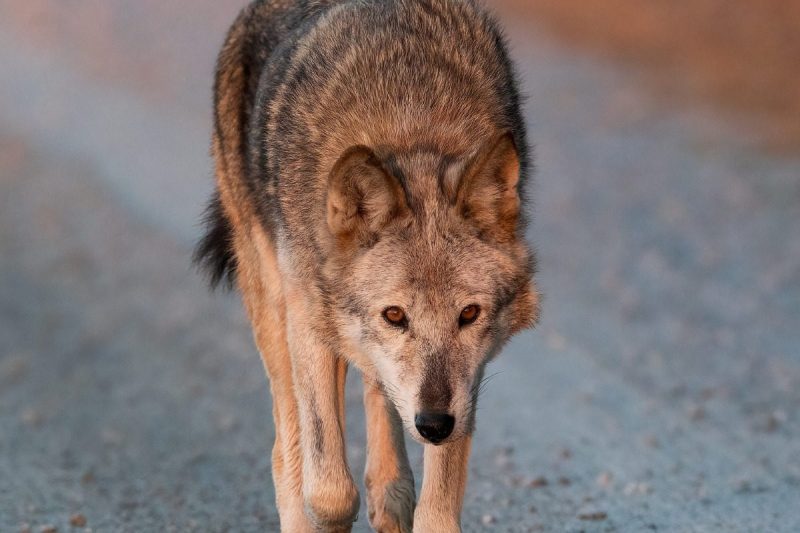
The Trump administration wants to roll back the Endangered Species Act, a law that experts say has been key to preserving animals like the bald eagle and the red wolf.
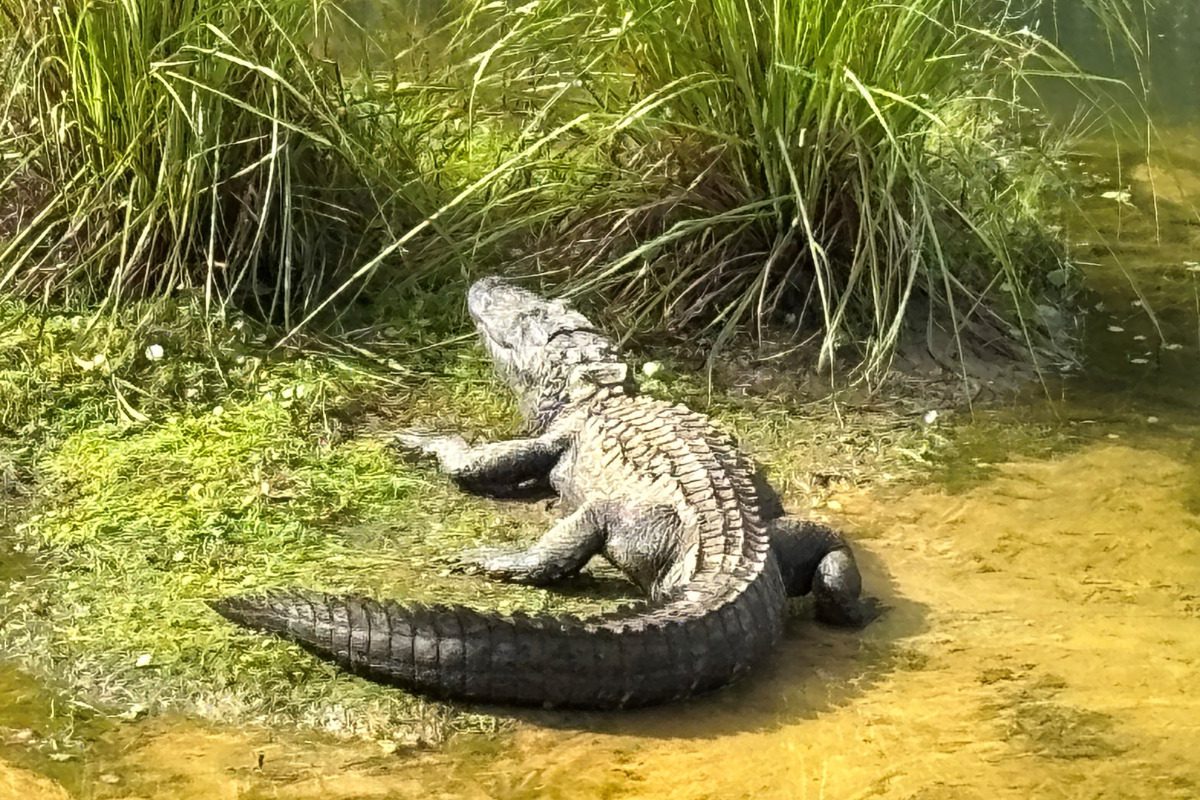
There’s no doubt the Endangered Species Act has helped some keynote species in North Carolina, ranging from the American alligator and bald eagle to the loggerhead sea turtle and red-cockaded woodpecker, rebound from near extinction.
But there’s also no question that the federal legislation, which offers extra protections for plant and animal species teetering on the edge, has been less than successful in helping other species recover from the brink. That’s spawned frustration from businesses and landowners that the law does little more than create additional bureaucratic red tape, limits development opportunities, and drives up costs.
“I think it’s been very effective for a lot of species in North Carolina that it has protected and continues to protect.”
Since returning to the White House, President Donald Trump has zeroed in on the law as legislation that does little more than inhibit development and economic opportunities. As with other key federal environmental rules and protections aimed at protecting wetlands and limiting air pollution, the administration has moved to dilute the breadth and scope of the act, including making it harder to have new flora and fauna added to the list of endangered or threatened species.
Some officials and business leaders also think the act, while good-intentioned, has gone too far in the real world, adding years of delays and costs to projects because of concerns they could impact a listed species.
Whether its rare freshwater mussels forcing the N.C. Department of Transportation to rethink highway and bridge projects to beach nourishment and fishing season getting curtailed due to impacts on endangered sea turtles and shorebirds, the ESA is a powerful tool that can mold, change and even hinder projects and development.
But does it work in its primary mission to help endangered plans and animals recover?
In many cases, yes, researchers and environmentalists say. But at the least, it helps buy species time − like the highly endangered red wolf that’s only found in the wild in northeastern N.C.
“I think it’s been very effective for a lot of species in North Carolina that it has protected and continues to protect,” said Dr. Sarah McGrath-Blaser, assistant director of conservation and science at the N.C. Museum of Natural Sciences.
How does the Endangered Species Act work?
Enacted in 1973, the ESA is enforced by the U.S. Fish and Wildlife Service and the National Oceanic and Atmospheric Administration.
The act gives listed plants and animals additional protections to staunch continued population losses. Measures include steps to prevent negative impacts from federal activities, restrictions on hunting, limits on development where the species is found, and pro-active conservation planning to help jumpstart recovery efforts.
More than 2,000 species have been added to the ESA in the past 50 years. They range from the giant North Atlantic right whales, of which fewer than 380 remain, found off the N.C. coast to the highly endangered spruce-fir moss spider found in the mountains of Western N.C.
But only around 50 species have recovered enough since the 1970s to be delisted. A 2022 paper published in the research journal PLOS ONE blamed the low recovery rate on several factors, including a lack of funding for recovery efforts and the general pattern of not moving to protect a species until its numbers have shrunk to dangerously low levels, putting it behind the proverbial eight ball even before conservation efforts can start.
Still, there have been success stories. The West Indian manatee, which is increasingly seen in N.C. waters, were downlisted from “endangered” to “threatened” in 2017 due to strong population growth, and bald eagle numbers in the Lower 48 rebounded so strongly that it was fully removed from the Endangered Species Act in 2007. And while getting added to the list has become increasingly challenging, once on the list only around two dozen species have disappeared from the wild once they received the added federal protections offered by the act.
Private land and the Endangered Species Act
While the Endangered Species Act is very explicit on what can and can’t happen on federal lands and how government agencies have to take listed plants and animals into consideration when reviewing a proposed project, things get much murkier when a species is found on private property.
While the act prohibits any move to harm a listed species, enforcement of that on private land can be tricky. To avoid even tempting any restrictions on what they can do with their land, some landowners and businesses actively steer away from pro-conservation measures or maintaining habitat that could attract or be conducive for listed species.
Federal regulators in some cases have designated certain areas, even on private land, as critical for a species survival. These “critical habitat” designations can limit what can be done on the land, generating frustration among many. A Wilmington-area example of a critical habitat designation that has caused issues involves the red-cockaded woodpecker, which requires old-growth pine trees for habitat and nesting.
To help smooth over some of the issues involving the act and private land, the government offers several incentive programs where landowners receive compensation in one form or another in return for voluntarily taking pro-conservation steps. Some environmental groups also work with landowners to purchase easements or adopt other measures to help listed species on private lands.
The Endangered Species Act in NC
The Trump administration has moved to make it easier for some projects, especially those related to fossil fuels, to fast track reviews on whether a development might impact a listed plant or animal species.
In November 2025, the government announced plans to adopt new rules that “remove regulatory barriers” that were strengthened during the Biden administration.
“This administration is restoring the Endangered Species Act to its original intent, protecting species through clear, consistent and lawful standards that also respect the livelihoods of Americans who depend on our land and resources,” said U.S. Secretary of the Interior Doug Burgum in a release.
Funding cuts and the slashing of the federal workforce also means there are fewer people to work on act-related projects, including reviewing new species for possible listing and monitoring and implementing recovery programs.
Based in Raleigh, the state’s natural sciences museum is the official repository for specimens of the state’s flora and fauna.
“It’s a collection that documents a species existence in North Carolina,” McGrath-Blaser said. “But it also provides a vivid example of what we could lose.”
As conservationists have watched in alarm as environmental rules get watered down, McGrath-Blaser said the protections offered by the Endangered Species Act are vital for species already pressured by factors ranging from fragmented habitats to climate change.
Protecting critical habitat is especially important, she said, comparing it to the classic Jenga block-stacking game. If you keep losing habitat piece by piece, eventually the whole ecosystem comes crashing down.
“We know that habitat is the best predictor of species survival,” McGrath-Blaser said. “Protecting the critical habitat protects the species.”
Reporting by Gareth McGrath, USA TODAY NETWORK / Wilmington StarNews
USA TODAY Network via Reuters Connect