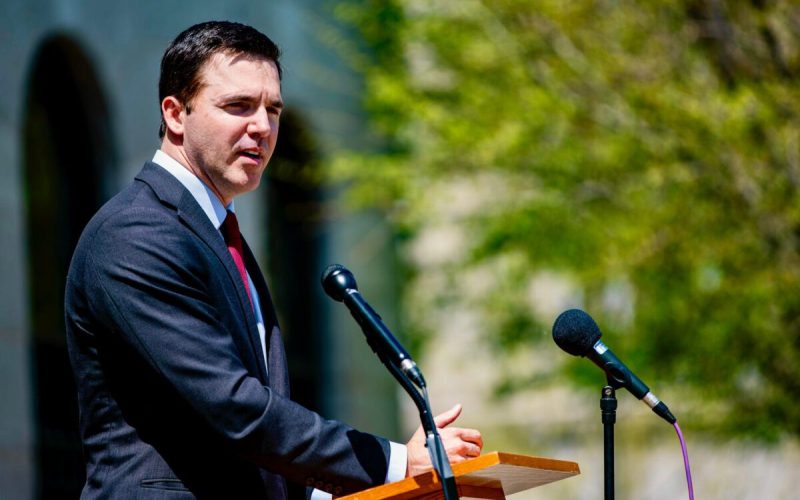
“Keeping water systems working and keeping homes out of floodwater isn’t politics — it’s basic safety. This ruling puts the money back where it was promised so these communities can be ready for the next storm,” NC Attorney General Jeff Jackson said of the order to FEMA.
A federal judge has ordered the Federal Emergency Management Agency to reinstate $200 million in grants to improve climate vulnerabilities of critical infrastructure across North Carolina.
United States District Judge Richard Stearns ruled Dec. 11 that FEMA unlawfully terminated its largest pre-disaster mitigation program, which was rebranded as the Building Resilient Infrastructure and Communities program during President Donald Trump’s first term.
In April, FEMA abruptly canceled the program and announced that any funds not yet distributed would be immediately returned to FEMA’s Disaster Relief Fund or the U.S. Treasury, according to Stearns’ order.
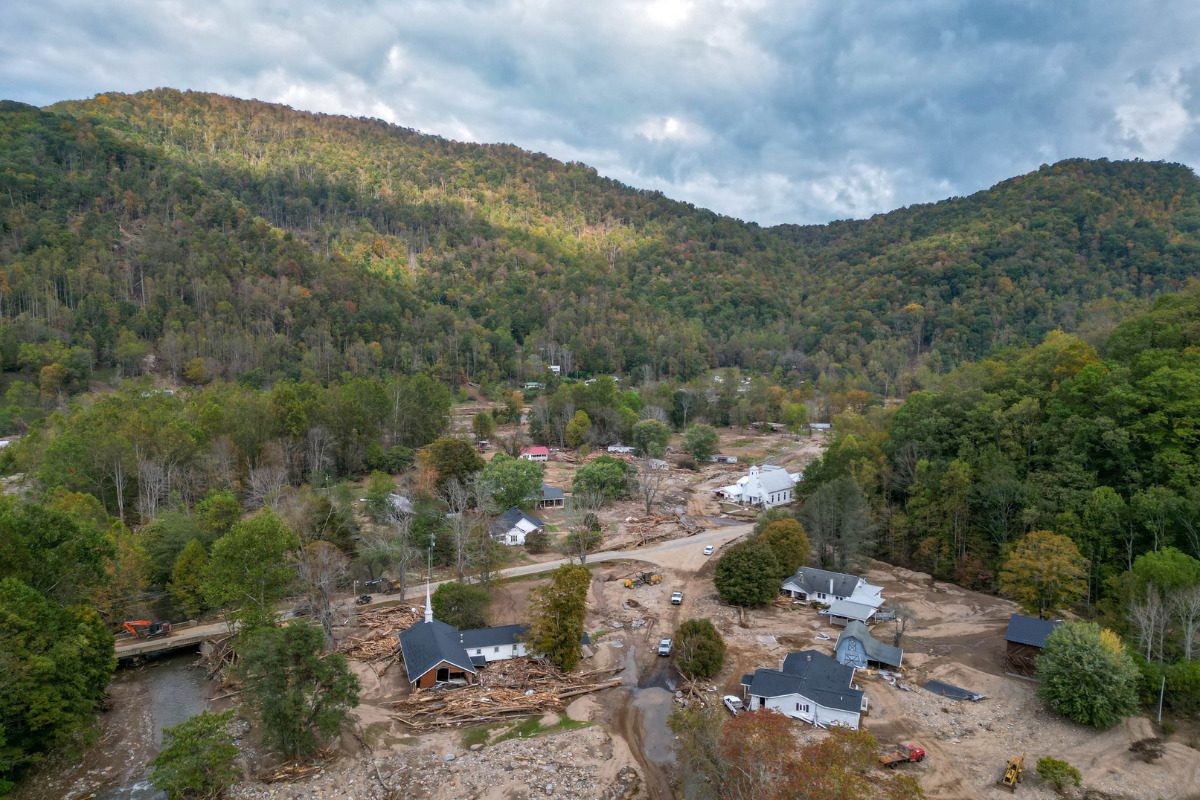
The program was set to provide roughly $200 million in funding for 60 infrastructure projects across North Carolina, including needed sewer system upgrades, wastewater projects and riverbank maintenance. These upgrades were meant to ensure the systems are better prepared for natural disasters and storms.
Opinion: AG Jeff Jackson visits Fayetteville to remind FEMA a promise is a promise
The stop work order included a watershed vulnerability and resilience program in Buncombe County, which was funded by a $202,000 infrastructure grant in 2021, the Asheville Citizen Times reported. The study sought to identify flood, landslide and wildfire risks around critical infrastructure like government buildings and hospitals.
Alongside 21 other states, North Carolina Attorney General Jeff Jackson sued the Trump administration in July, with an amended complaint in August, over the canceled grants that were already appropriated by Congress. The suit was filed in United States District Court for the District of Massachusetts.
Stearns, who was appointed by former President Bill Clinton, ruled on Dec. 11 that the program’s termination substantially reduced one of FEMA’s core responsibilities — disaster mitigation — after Congress explicitly prohibited the agency from doing so in the wake of Hurricane Katrina.
Stearns also found that FEMA unlawfully intended to shift these funds to post-disaster relief grants after Congress had already appropriated them for the pre-disaster infrastructure grants. This violates the Further Consolidated Appropriations Act of 2024, Stearns wrote.
FEMA also violated the Stafford Act, which sets a minimum amount of $200 million that FEMA must make available every fiscal year for mitigation funding between 2022 and 2026, according to Stearns. By canceling the program, FEMA dropped below the minimum funding required by statute for 2024 and 2025.
“The BRIC program is designed to protect against natural disasters and save lives. It need not be gainsaid that the imminence of disasters is not deterred by bureaucratic obstruction,” Stearns wrote.
The program, established in 2018, was designed to help state and local governments reduce disaster risks. About 2,000 projects across the country had been selected to receive a total of $4.5 billion since 2021, according to the lawsuit.
In a Dec. 11 press release, Jackson said that communities in North Carolina spent years doing what FEMA asked to qualify for this funding and were “building real protections against storms when FEMA suddenly broke its word.”
“Keeping water systems working and keeping homes out of floodwater isn’t politics — it’s basic safety. This ruling puts the money back where it was promised so these communities can be ready for the next storm,” Jackson said.
Some of the reinstated grants in North Carolina include:
- A $200,000 watershed vulnerability study in Buncombe County
- A $2.6 million sewer and stream stabilization project in Forest City
- A $7.7 million wastewater treatment infrastructure project in Lenior
- A $5.4 million flood mitigation upgrade for wastewater treatment in Hickory
- $22.5 million to relocate its Salisbury’s sewage station along the Yadkin River
This is one in a series of lawsuits against the federal government that Jackson has taken part in. Jackson sued FEMA and the U.S. Department of Homeland Security in November, arguing the agencies unlawfully withheld $17.5 million in grants used to pay the state’s emergency workers and fund disaster response.
He sued the U.S. Department of Agriculture in October over the suspension of funding for the federal Supplemental Nutrition Assistance Program during the government shutdown.
In August, the federal government agreed to release $184 million in AmeriCorps funds after Jackson signed onto a suit alleging funds were unlawfully frozen.
Reporting by Ryley Ober, Asheville Citizen Times / Asheville Citizen Times
USA TODAY Network via Reuters Connect