Scammers are kicking their operations into high gear for the holidays and consumers in North Carolina and across the country should be on high alert.
Criminals looking to steal from people use the hectic holiday season to try and catch their victims off guard.
Joe Mecca, vice president of communications for the North Carolina-based Coastal Credit Union, said fraudsters have been calling people and saying they are from a local financial institution.
“They will call, they’ll pretend to be with your credit union or with your bank, and they might say that they’ve discovered some fraudulent activity on your account or they’re attempting to prevent some fraud,” Mecca outlined. “It’s a social engineering scam. What they’re trying to do is they’re trying to get you to provide your information.”
Mecca noted it is not something legitimate institutions like Coastal Credit Union will do. He urged people to be suspicious of such calls. He added callers who make urgent requests where people are pressured to send money to them immediately should also be avoided.
Mecca noted Facebook Marketplace can be a source for scams and he advises people who make purchases there to collect the item in person if it is local and pay in cash. Common online scams include nondelivery scams in which an item is paid for but never delivered and nonpayment scams in which you sell something online and ship it but never receive payment.
Mecca discussed some red flags to watch out for.
“They may want you to ship that item right away. They may request a pay from an unusual source like a wire transfer or a gift card or crypto, or they may overpay you and request a refund,” Mecca explained. “All those should be red flags that you are either going to be out the money or attempted to be scammed. We tell people to watch out for those.”
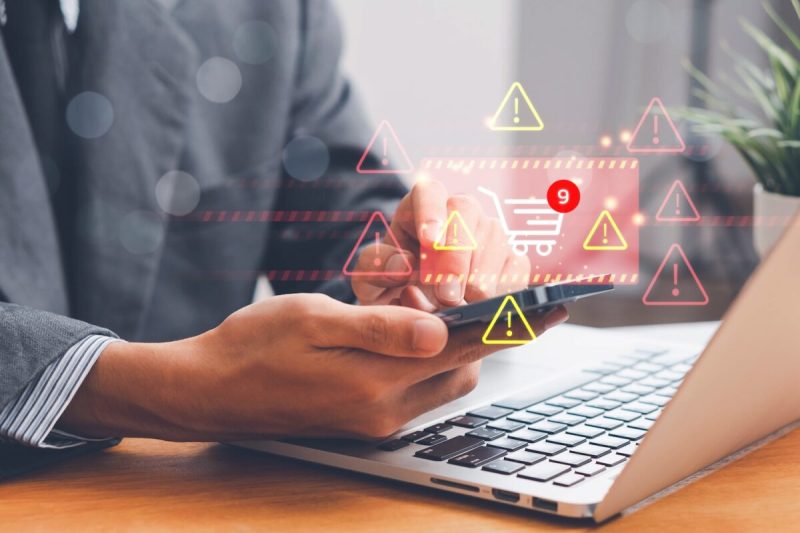
Mecca advised people not to click on suspicious links and to shop safely online.
“If you are shopping online, always verify the website. Make sure it’s a secure site, make sure it’s a legitimate website,” Mecca recommended. “Double-check the address. A lot of times they’ll spoof a legitimate website with something that looks like it’s coming from a website that you know, but it might not be.”
Related: Sweetheart Scammers Stole $18 Million from North Carolinians Last Year. Here’s How They Did It.