Art-inspired boutique? Umm.. yes please! We sat down with Kresha Walker and Michelle Witteveen of Jane. Made & Found to learn about the inspiration, partnership, and community behind this one-of-a-kind boutique and social space in Forsyth County.
Twelve years ago, two women, on the edge of friendship, transformed their love of art, women, and community into a business that celebrates all three. These days, their quirky Kernersville boutique Jane. Made & Found is a staple.
Their newest endeavor, The Social Hall, is a renovated space attached to the boutique that can be rented out for special occasions or community classes; and is a testament to the deep connections they’ve made with the people who come through their doors.
I walked in around 3:00 pm on a Tuesday afternoon, while co-owners Kresha Walker and Michelle Witteveen were beginning to decorate for the holiday season, pulling yards of garland out of large buckets.
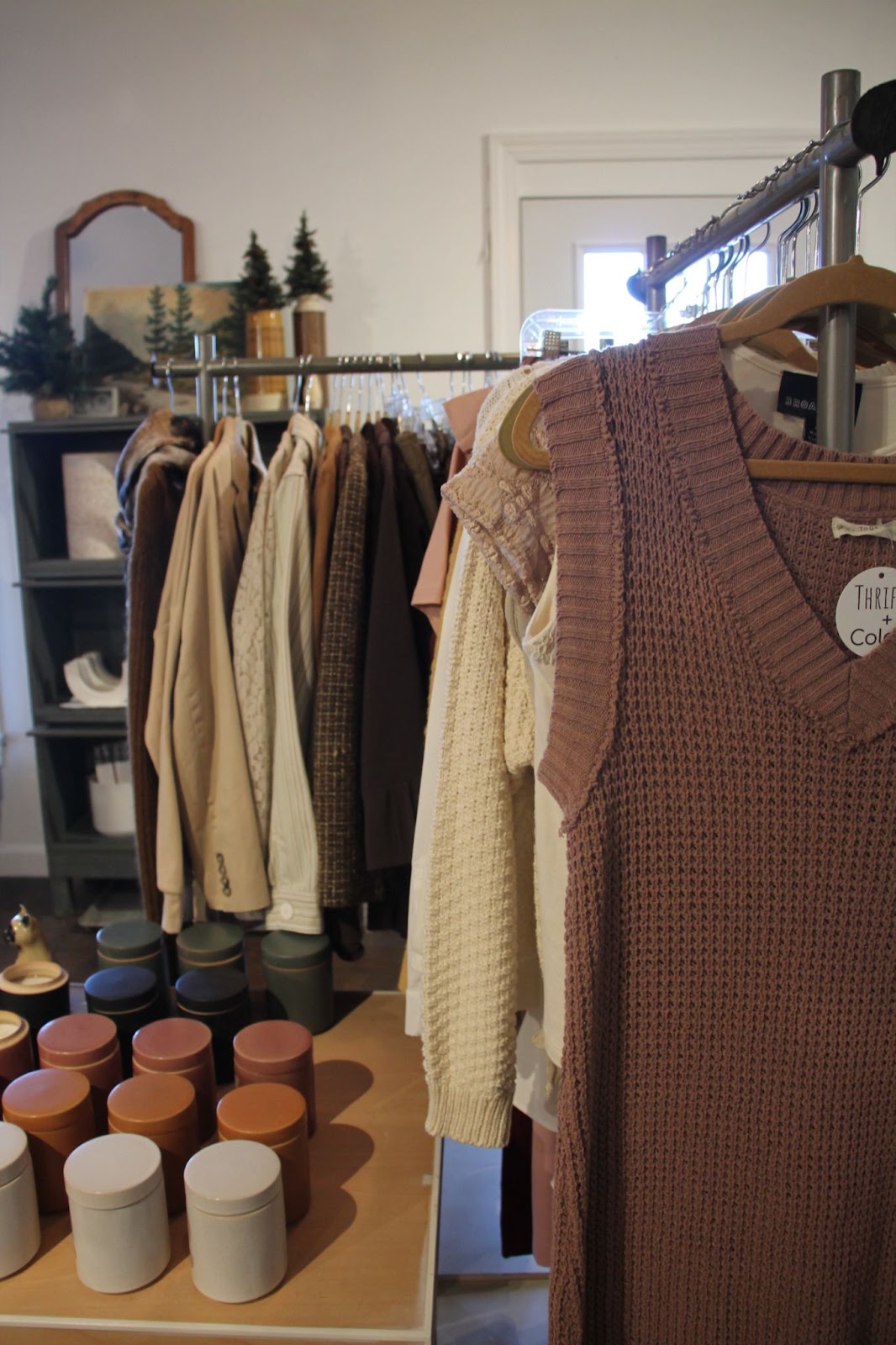
This was the type of place where you could find that one missing piece from your wardrobe or the last painting to pull your living room together. Immediately, I was drawn to a pair of upcycled, faux-leather pants, a teal-feather top, and a stack of one-dollar, vintage cartoon cards – quirky, uncommon, and personal.

They talked to us about their vision, about supporting local artists, and building a business that centers women.
Made & Found
What was the inspiration behind Jane. Made & Found?
Kresha Walker: We started off with makers. We had been going to different peoples’ houses that would invite us over and invite their friends over to buy our weird stuff. Then, one of them suggested that we try to rent a space. So we did.
We planned to rent it for a 6-week period from Halloween to Christmas and then people just really liked it, so we stayed, and now it’s been 12 years.
How would you describe “Jane” in 3 words?
Michelle: We’re still trying to figure that out ourselves.
Kresha: I would say an “art-inspired boutique.” We are very inspired by art and I think we’ve become more partner-ish over the years. We’ll get on some kick of an artist that we love, or a style of art we love and go with it.
I notice there are a lot of portraits of women. How does womanhood play into the environment of Jane?
Michelle: When we started Jane our goal was to always to create an environment that women could come and sell their wares. Kresha and I have always been inspired by this type of art. We have had male Janes throughout the years –
Kresha: -we’ve had several! Guys used to give us a hard time. They’d be like “well, where’s my store?”
Michelle: and we tried selling their stuff but it just doesn’t sell as well.
Kresha: At one point, we had a fourth of the room up front dedicated to a men’s section but we thought “y’all just aren’t getting here fast enough so we’re gonna give it back to the ladies.”
Michelle: The name “Jane” pretty much encompasses – it means – women. It’s not all women in here but we’re very inspired by the – and I’m not sure how to say it – but, the female body. We are! We love that type of art, that’s what we geek out about. If we can find those types of black and white sketches-
Kresha: -or old oil paintings.
Michelle: Yes, they are gorgeous!
Kresha: There’s so much character about them.
What kind of products were you selling at the start of Jane?
Michelle Whitaveen: We had everything from aprons to jewelry- and everything was handmade or vintage.
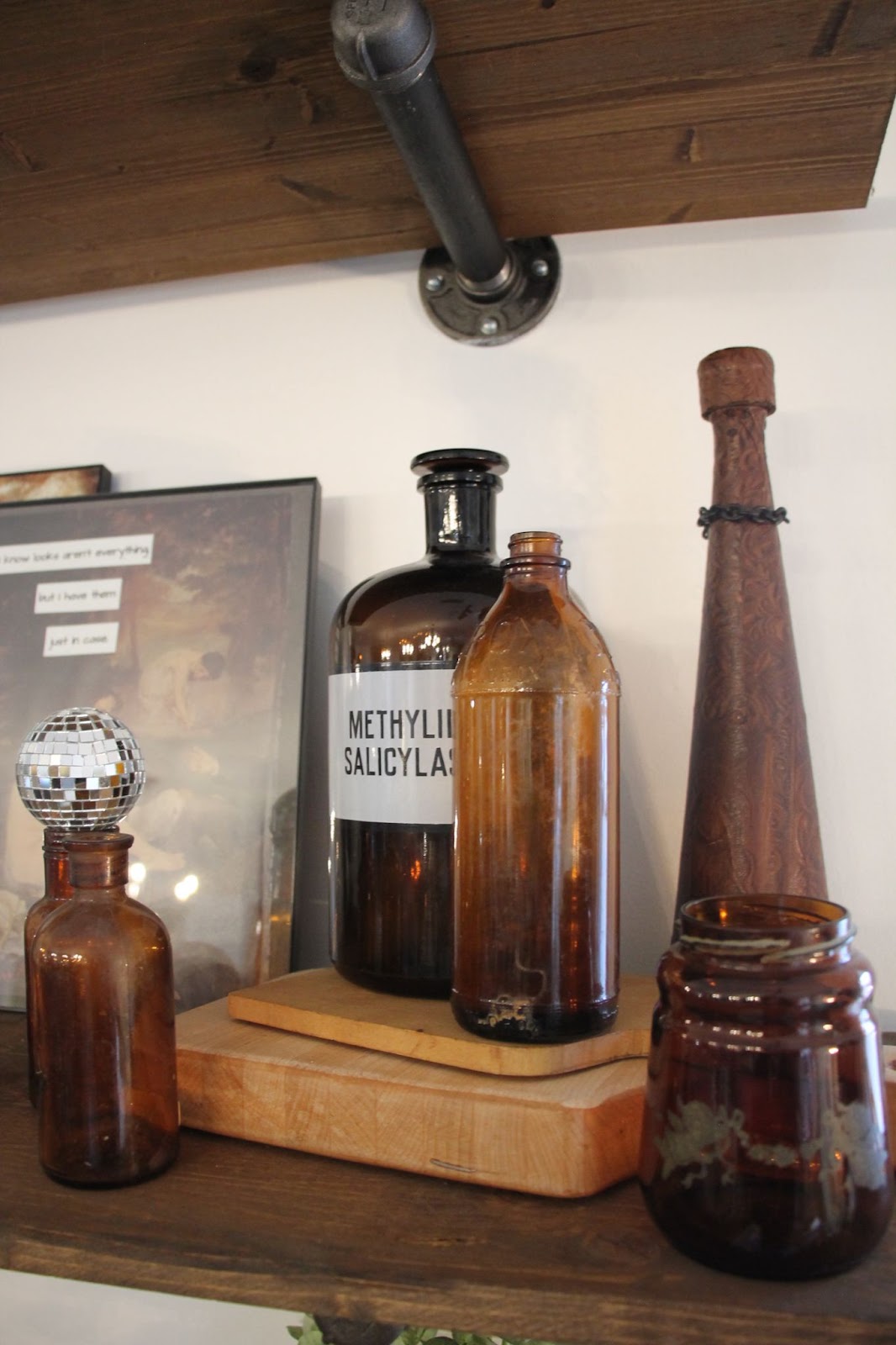
Kresha: I think initially it was a lot craftier – more like “let’s get some craft supplies” – and now I feel like the products we have are more artisanal in nature. What (our vendors) do is a developed skill. For example we’ve had people that do metal working or people that are furniture builders.
How did selling clothing become an important factor for the store?
Michelle: We started with this collection of t-shirts. We’re both very inspired by music, we love to go to concerts, and art-
Kresha: -and they were an art-driven t-shirt company. I saw a picture of one the other day and it was this boy and girl zombie and one of them is giving the other a heart, an anatomical heart, blood’s dripping everywhere, and as crazy as it is it was like, “oh my gosh, this was probably in our first run of clothes.”
Honestly, people really started responding to the clothes. When we first opened we would do “found clothing” and we had nowhere to put it, we had maybe three or four pieces –
Michelle: – and if you found clothing at our store it would be on the mannequin. We put it on there so we could show off the jewelry, and that was about it.
What is your process of curating items for the store?
We used to scout. We have a lot of people that come to us, unfortunately, because the artists that we have in here cover such a broad range, a lot of what people come and want to offer is already being done. Sometimes it doesn’t quite match our aesthetic, so one of the rules we have is if we want to buy it immediately, if we think “oh my gosh we would love to have that,” then it’s a good indicator that they would be a good vendor here.
If we’re going “well, someone might like that” then probably not.
We’ve bent that rule a few times and we’ve always been sorry when we do. Either the customers don’t respond the way the vendor hoped or it ends up not being a good cultural match. It’s best if we follow our gut.
The Social Hall
How old is The Social Hall?
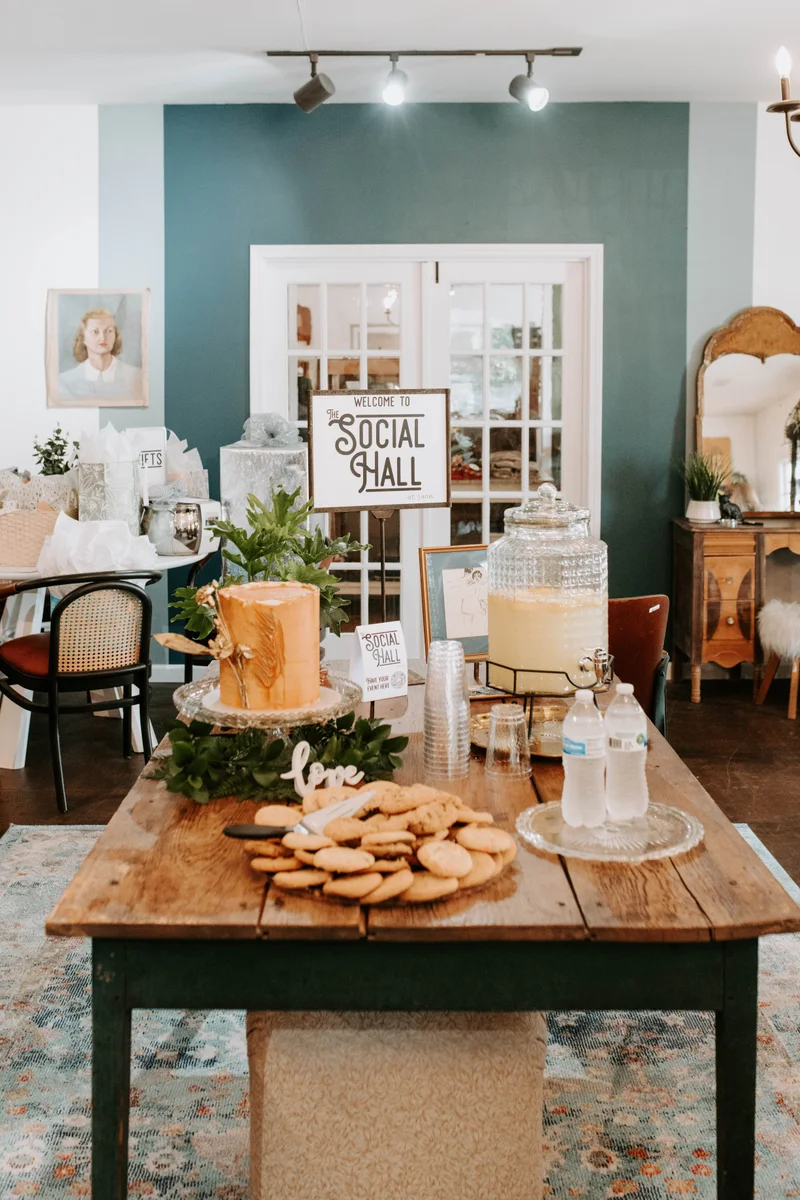
Michelle: We started rebuilding this space in February and we had our first event in May, it was a bridal shower.
Right now we’re getting ready because on Friday night we have a couple coming to do dinner for their wedding here, and on Sunday we have a surprise birthday party.
We also offer classes here and that’s one thing we’re doing for the community. We’re doing talks about anxiety and raising kids that are on the (autism) spectrum. We’re doing one on dating as you get older and community talks like that.
How do you decide on the topics and speakers for the Small Talks series?
Kresha: We started thinking about the conversations we hear over and over again with people when we talk to them while they shop. One of the ones I’ve heard a lot lately is about dating online and how horrible it is, especially for women who are more in our age bracket.
They’re struggling to keep up with Instagram and now you’ve got to put yourself out there on a dating app. It’s mind-numbing! I’ve heard so many crazy stories about it not working out well for people, so when somebody comes in and says “Yes, I actually found my husband on one” our response is “Ok, we need to hear more.”
My youngest son is autistic and that conversation tends to present itself a lot to me because I listen for cues of when people are saying things about it. Then I’m like “oh, well tell me about your world.” It’s all based on topics we care about or hear people talk about all the time.
What is the decorative inspiration behind The Social Hall?
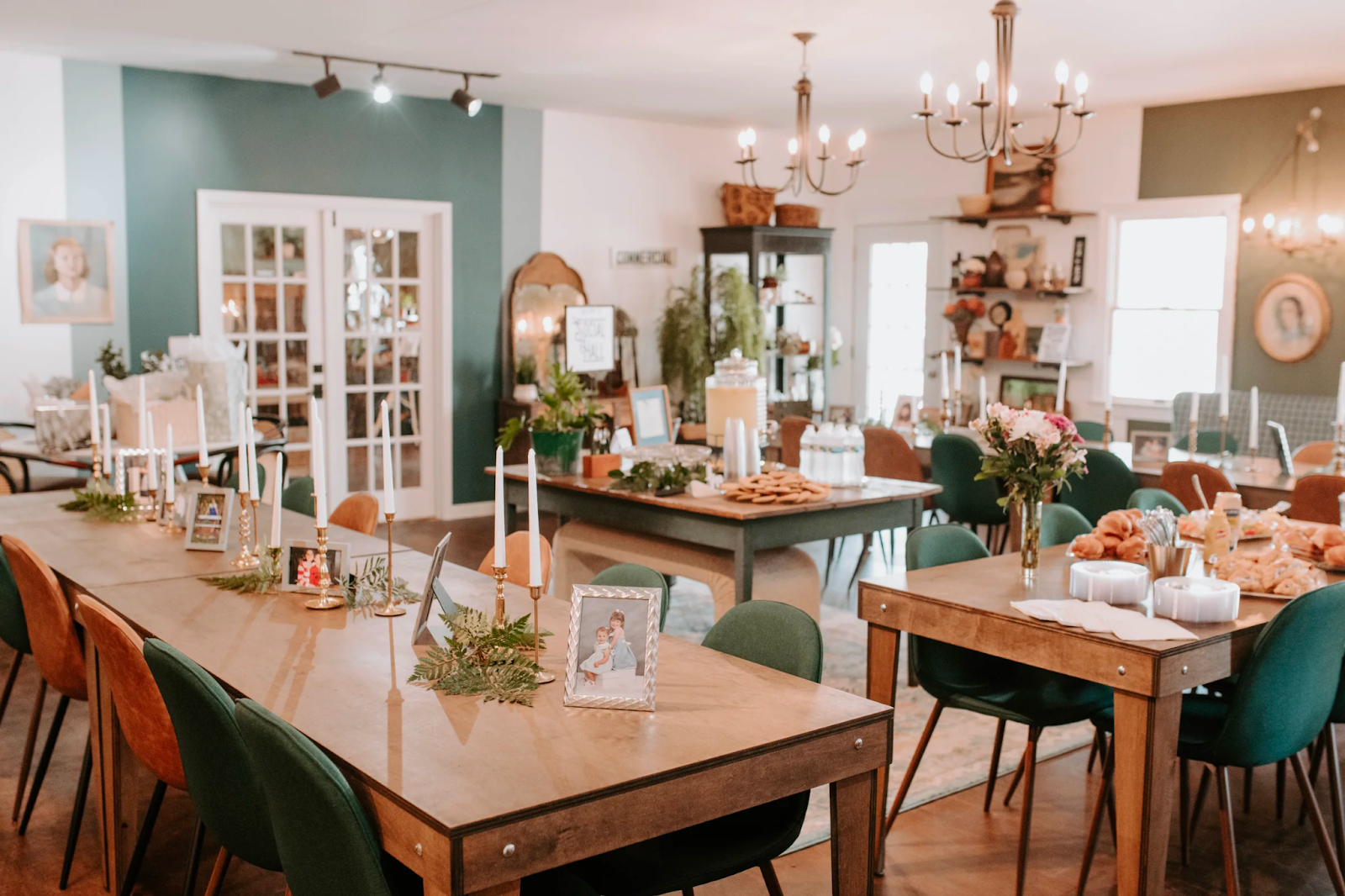
Michelle: Well, when we started, a lot of these pieces came from our homes.
We have always been collectors of color palettes, we love palettes, we decorate our houses based on palettes. Then as (The Social Hall) took on a sort of a funky theme, we started thinking of Wes Anderson movies and how he has layers and layers of his environment that create a feeling.
We wanted to create a relaxed, fun, feeling, but it still keeps with “Jane”. You can find your Made & Found here too, you’ve got your vintage wallpaper from the 1940s, something we found at Liberty Antiques. We try and keep the Made & Found theme going back here but we wanted it to be fun with a Wes Anderson theme.
Community & Partnership
How has your partnership evolved over the years?
Michelle: I think the fact that we knew each other, but our friendship really grew inside of Jane. We bonded over politics, movies, concerts, and church. We met through church and from there it sort of grew. Once we got into “Jane” it bloomed because we feed off of each other, we’ve taught each other so much. I know Kresha’s taught me a lot with environment and decorating. I really feel like I learned all of that from her.
Kresha: I feel, like she said, we didn’t know each other super well, but coming into it we knew each other enough to have trust based on our families and what we saw relationship-wise with other people.
One of the things we’ve talked about over the years is that we really did not know what we were getting into. Nobody does but we got really lucky that neither of us are lazy, a lot of our values for how to run a business happened to line up. That was one of those things that could have gone the other way. We compliment each other really well, I think I’ve learned just as much from Michelle. We have a very similar taste but we express it completely differently. It’s weird because if you go to our houses-
Michelle: -they’re completely different, but if we were to go to the same sale we would gravitate towards the same item. It’s nice because we’ve always been able to support each other in any fashion. We always pick up where the other one needs it without saying anything. It’s just very easy with us. We have one brain, it’s very scary sometimes.
Kresha: She’ll send me a text and I’ll read it and think “that’s weird I was just thinking about that”. Part of it is that our taste is so similar but we’ve also learned together along the way that things we gravitate towards are gonna be the same.
Michelle: We’ve always made it 50/50 in the fact that if one of us is out buying, we always say “hey, what do you think about this?” We always ask each other because it is 50/50 and we’re really good about that – it’s a really nicely balanced relationship.
What role does the community play here at Jane?
Michelle: We’ve always wanted to provide products that were made by people in the community. As for The Social Hall we wanted to set up an easy space for people to come in and enjoy, whether they want to have lunch here or host parties. We love decorating, we do it in clients’ homes, and we thought we could set up a space in Kernersville where it’s already decorated for you.
Community-wise, we’re not from Kernersville, well I’ve been here since 5th grade, and Kresha’s been here for several years, and we’ve built so many relationships with our clients that are in the community. We have relationships with them that are outside of Jane.
At one point we did a collection called “I am Jane. You are Jane. We are Jane.” and everything we sold went to Crisis Control [a Winston-Salem-based emergency assistance program]. We were able to donate to them. We’ve always been able to give financially to the local community every year in certain ways.
We feel like we’ve been so blessed with how clients have responded, that we want to give back to them and we’ve tried to do that in different ways throughout the years.
We love Kernersville. We want people to experience it and love it the way we do. Even when we bring out artists in – we want to be a destination store – we want people to go “Oh, I’m from Asheville, this artist is only here in Kernersville.” That’s hard because Kernersville is small, but we’ve always told our artists if you’re here, you’re just with us. That will make us a destination store and we feel like that has helped us over the years.
How has Kernersville, specifically, influenced the evolution of Jane?
Michelle: We have had clients I can remember from the first week, we had one of those clients come in just the other day. They have been so supportive. The town of Kernersville has been so supportive of us. I mean this is a city building we’re in.
We love the small town feel and at the same time we always feel like we are something completely different than what you might find here. We love it when we hear somebody bring their friends from New York or California and say “Oh my gosh, this is here? I wouldn’t have expected this.”
Our downtown has grown so much, and we love how it’s all evolving and we’re all working together to keep Kernersville growing.
We’ve always tried to use artists that are local. We do have a few that are from Charlotte, but other than that everyone else is from the Triad and it’s always been that way.
Challenges, Growth, and the Future
What are some of the challenges you’ve faced growing this business?
Michelle: When you look at it, it doesn’t seem like we’ve had that many challenges.
Kresha: Well, when you think about it, life just has its own set of demands alongside of this. We always say how we don’t know how anybody does this by themselves.
Michelle: There’s no way.
Kresha: It’s got to be very lonely after the adrenaline wears off. There are days when you’re just like “I suck, everything sucks, let’s close the doors and call it quits” and there are others days where it’s like “Oh my gosh this is amazing, this is the best day ever!!” You’ve got all these challenges, and keeping your home running and having dinner on the table, and all of the things that are very unpredictable about life. Take that and take the business – having paper bags is the equivalent of having dinner on the table. It runs parallel to life and it’s almost like this second life and it presents its own set of challenges.
Michelle: As far as big challenges, even when Covid happened it was stressful in the beginning, but we asked how we could make this work and the community rallied around us. We worked harder in those 3 or 4 months getting as much product as we could online just so we could sell one thing. That was hard.
Kresha: That was tricky, and one of the things that helped us with Covid was was trying to meet people where they were. At the time, it was a very polarizing topic. If people were very upset about it, just hearing them talk and listening to their conversation about it and being empathetic was something.
Other people were like “I just want a place where I can feel normal,” and we tried to be that. We were fine with that. There were a lot of places I personally avoided during that time because I didn’t want to be made to feel more uptight than everybody already was.
We decided to handle it very open handedly and say “This is how we feel about it. We feel secure and safe, we feel confident in our space and that we’re taking good care of wiping down the registers.” We just wanted to meet people where they were and if they were calm about it we were, and if they were tense about it we were empathetic with that. I think that helped us a lot to be able to maintain relationships during that time.
What are you most proud of?
Kresha: One of the things we say all the time is that we’ve sort of beaten the odds.
Michelle: It’s been 12 years!
Kresha: It’s 12 years in and we’re still here.
Michelle: A lot of the vendors that we’ve had have been with us for years. That’s something to celebrate. We’ve provided a space where their stuff sells well. They want to be here, in an environment they feel good in.
Kresha: That’s something we’re proud of. I think the decision to do The Social Hall didn’t seem scary at the time we started it because we were in motion all the time. From February to May we never stopped; the entire store was repainted, we were trying to do things to the outside, gathering up the product to create everything, getting tables made, and, eventually, we got to this stopping point and I think we had two bookings.That was the first time either of us were like “What do we do after those two?”
We knew it was probably a good choice for us but we just didn’t have… we didn’t have a lot of time to think about the long-term market.
Michelle: Like what was gonna happen after we created The Social Hall.
Kresha: We’re very proud that this has maintained itself, and we’re really hoping that in the next year it grows. Right now, for the past 3 or 4 months we’ve averaged about an event a week. I feel like for what we’ve put into it marketing-wise and dollar-wise, it’s really good and we have a lot of potential for it.
We’re proud, we’re proud of this.
The other thing we’re both very proud of is when we hear people come in and say “This is my favorite store!” or “This is where I come to calm down. I had to get away and I need to come to Jane today.”
The fact that anybody feels that way about anything we do – it’s making me cry now.
What do you see for the future of Jane?
Kresha: Girl, we’re just trying to get to December.
Michelle: Well, we’re currently expanding our online webstore. That’s a big thing that will hopefully be our next step. That’s one thing we’ve always wanted to have, so that and booking this thing 2 to 3 times a week. We would love to see more classes here. We have classes maybe once a week but we would love to see bigger turnout. We would love to have more art classes. Free-standing art classes because that’s what we love to do.
Kresha: We would love for them to be very organic. People could come in and bring their art supplies and whatever they want to work on. I think that’s probably intimidating to some people and for others it doesn’t match up with their process.
Michelle: Yeah that’s one thing we would love to have – an open art day where people come in, everybody hangs out. So we want to expand more in our classes, get the webstore going, and have more events here.
Kresha: At this point there’s not a lot of unknown in the boutique. We know what to anticipate – it’s mainly idea generation for new product concepts or layouts or whatever. We probably need some marketing minions, social media minions, because that’s its own full-time job. We’re trying to fill in the blanks about the webstore. That’s definitely where the focus is.
[Correction: An earlier version of this post misspelled Michelle Witteveen’s name. C&P regrets the error.]